
AI Photo Prompts for Portrait Photography: Warm, Natural Faces
Quick answer: AI photo prompts for portrait photography work best when they describe the light, the expression, and one honest detail about the person. Try: “portrait of a smiling young woman by a large window, soft natural light on her face, gentle shadows, relaxed and genuine”. Soft light, a real expression, and a simple setting give you a portrait that feels warm and human rather than posed.
What Makes a Portrait Prompt Feel Genuine
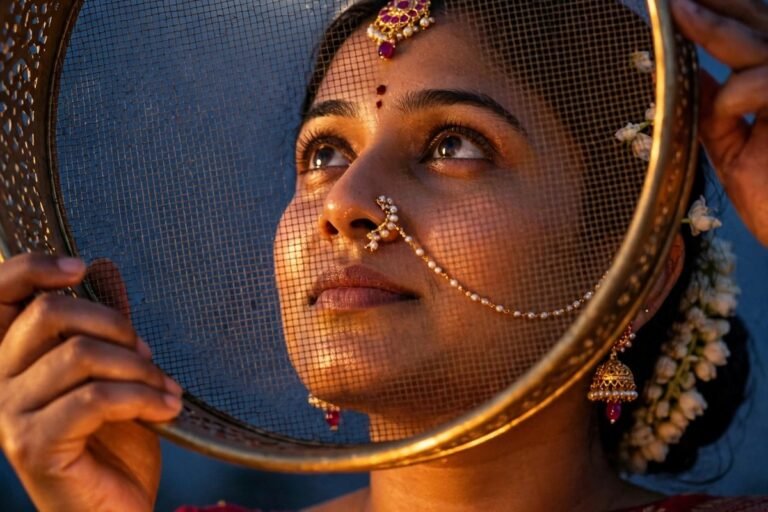
A portrait only feels genuine when the person in it looks like someone you could actually meet, and that honesty starts with the expression. A stiff smile or a stare straight into the lens can make an AI portrait feel artificial before you notice anything else. Ask instead for a soft smile, a thoughtful look away from the camera, or a quiet laugh caught mid-moment, and the face suddenly has a personality. The expression is the portrait, so it deserves the first and clearest words in your prompt.
The second thing a genuine portrait needs is a setting that belongs to the person rather than a backdrop chosen for drama. A reader in a favourite armchair, a cook in a kitchen dusted with flour, or a musician holding a worn guitar all tell you something about who the person is. When the setting and the person match, the portrait tells a small story instead of just showing a face. Keep the background calm and uncluttered, because a busy scene will steal attention from the eyes, and the eyes are where a portrait lives.
Prompts for Soft Window Light Portraits
Window light is the kindest light for a portrait, because it wraps around the face gently and leaves soft shadows instead of hard lines. A prompt set beside a large window should say so plainly, along with the time of day, since morning light is cool and pale while late afternoon light is warm and low. A prompt like “portrait of a smiling young woman by a large window, soft morning light on her face, gentle shadows, plants blurred in the background, calm and warm” gives the generator everything it needs: the light source, the direction, and the mood.
The distance from the window changes the portrait more than most people expect. Close to the glass, the light is bright on one side of the face and the shadows are deeper; a step back softens everything into an even glow. You can steer this in the prompt by writing “standing close to the window, light falling across one cheek” or “sitting a little way from the window, even soft light”. Small choices like this separate a portrait that looks photographed from one that looks generated.
Prompts for Outdoor Portraits in Open Shade
Outdoor portraits look their best in open shade — under a tree, beside a wall, or on a cloudy day — where the light is soft and nobody has to squint. Direct sun on a face creates harsh shadows and tight eyes, so a good outdoor prompt should name the shade outright. Try a prompt like: “portrait of a man laughing under a large tree, dappled shade, green leaves blurred behind him, relaxed afternoon, joyful and natural”. The shade does the flattering work, and the laugh does the rest.
Backgrounds matter outdoors more than indoors, because a street or a park can easily become cluttered. Ask for a blurred background in your prompt, and name one simple thing behind the person — a brick wall, a hedge, a calm river — so the generator keeps the scene tidy. A prompt such as “portrait of a woman with curly hair in a quiet garden, soft overcast light, roses blurred behind her, gentle smile” keeps the focus exactly where it belongs. One background element is plenty; two or three will compete with the face.
Prompts for Candid Portraits and Real Moments
Candid portraits catch people in the middle of something, and that is why they feel so alive. A woman tying her hair back before a run, a grandfather telling a story with his hands, a child peeking around a doorframe — each of these moments has a gesture that a posed portrait never will. Describe the gesture in your prompt, because the gesture is what makes the picture candid. A prompt like “candid portrait of a baker tasting bread in a warm kitchen, flour on her hands, laughing, soft light from the oven, honest and joyful” reads like a moment someone actually lived.
The trick with candid prompts is to give the person something to do with their hands. Hands are the hardest part of a portrait for an image maker, and busy hands hide the difficulty while adding life to the picture. Holding a cup of tea, turning the pages of a book, strumming a guitar, or cradling a newborn all keep the hands natural and purposeful. If the hands look wrong, simplify the action: a hand resting on a table or tucked into a pocket is easier to render well than fingers mid-gesture. A calm, simple action beats a complicated one every time.
How to Describe Age, Style and Personality in a Portrait Prompt
Age and style should be described with plain, respectful words rather than long lists of features. “A woman in her sixties with silver hair and laugh lines” says more than ten adjectives about beauty, because it paints a person with a history. The same goes for clothing: a denim jacket, a linen shirt, or a hand-knitted shawl each suggests a different life, so pick the garment that fits the person you have in mind. One or two details about age and dress are enough; overloading the prompt with features often produces a face that looks assembled rather than born.
Personality is the hardest thing to put into a portrait prompt, yet a single well-chosen verb can do it. A person who “gazes thoughtfully out of the window” feels different from one who “grins at the camera”, and both feel different from someone who “listens intently, leaning forward”. Choose the verb that matches the personality you want, and let the expression follow from it. A portrait prompt that names a small action will almost always feel more alive than one that only lists facial features, because action is what makes a person recognisable.
Prompts for Black and White Portraits
Black and white portraits strip away colour and leave only light, shape, and expression, which is why they suit thoughtful or timeless subjects so well. A black and white prompt should say so in the first few words, then describe the light with extra care, because there is no colour to hide behind. A prompt like “black and white portrait of an old fisherman, deep wrinkles, strong side light, dark background, quiet dignity” works because every word is about tone and texture. Without colour, the shadows have to carry the picture.
A Short Checklist Before You Generate a Portrait
Before you send a portrait prompt to the generator, read it once and check that it answers three questions: what is the light, what is the expression, and where is the person? If any of the three is vague, sharpen it in a few words. A portrait prompt with clear light, a real expression, and a simple setting will almost always beat a longer prompt that tries to describe every feature of the face.
- One light source: a window, open shade, or soft evening light, stated plainly.
- One honest expression: a soft smile, a thoughtful gaze, or a quiet laugh.
- One simple setting: a kitchen, a garden, or a window seat — never a crowded scene.
- One or two personal details: silver hair, a denim jacket, or flour-dusted hands.
- One mood word: warm, calm, joyful, or tender, to set the feeling.
Portrait Prompt Mistakes That Make Faces Look False
The most common mistake in portrait prompts is asking for perfection — flawless skin, perfect symmetry, a dazzling smile, and studio lighting, all at once. Real faces have small asymmetries, faint lines, and uneven light, and it is exactly those imperfections that make a portrait believable. Ask for natural skin, soft light, and a gentle expression instead, and the face will look like a person rather than a mannequin. Perfection is the quickest way to make an AI portrait feel artificial.
Another frequent slip is describing the face in exhausting detail while forgetting the light and the setting entirely. A prompt that lists eye colour, nose shape, lip shape, and cheekbones but never says where the person is standing leaves the generator to invent a background, and the result often feels disconnected. Give the light and the place as much attention as the face, because a portrait is a whole picture, not a mugshot.
Frequently Asked Questions
What is the best AI photo prompt for portrait photography?
Describe the light, the expression, and one personal detail, such as “portrait of a smiling young woman by a large window, soft natural light, gentle shadows, relaxed and genuine”. Light, expression, and setting together make a portrait feel real.
How do I make AI portraits look natural?
Use soft light, ask for a gentle or candid expression, and leave small imperfections in the face. A portrait that allows laugh lines and uneven light will look far more human than one asking for perfection.
Should portrait prompts ask for eye contact?
Eye contact can be powerful, but a gaze slightly away from the camera often feels more natural and thoughtful. Try both, and choose the one that suits the mood of the portrait you want.
What backgrounds work best for AI portraits?
Simple, blurred backgrounds work best: a plain wall, a garden, or a window with soft light. One background element keeps the attention on the face, while a busy scene pulls it away.
Can I use AI photo prompts for family portraits?
Yes, you can describe a family scene with each person doing something natural, such as reading together or cooking in the kitchen. Keep the group small and the actions simple, so every face stays clear and believable.
Final Thoughts
Portrait photography is really about the few seconds when a person’s guard drops and their real self shows, and a good prompt chases that moment by naming soft light, an honest expression, and a setting that belongs to them. Keep your descriptions plain and your light gentle, and your AI portraits will carry the warmth that makes people stop and look twice. Try one portrait tonight with window light and a soft smile, then try the same person laughing outdoors tomorrow, and notice how a few changed words turn a face into a story.