
AI Photo Prompts for Pet Photography: Capture Your Pet’s True Personality
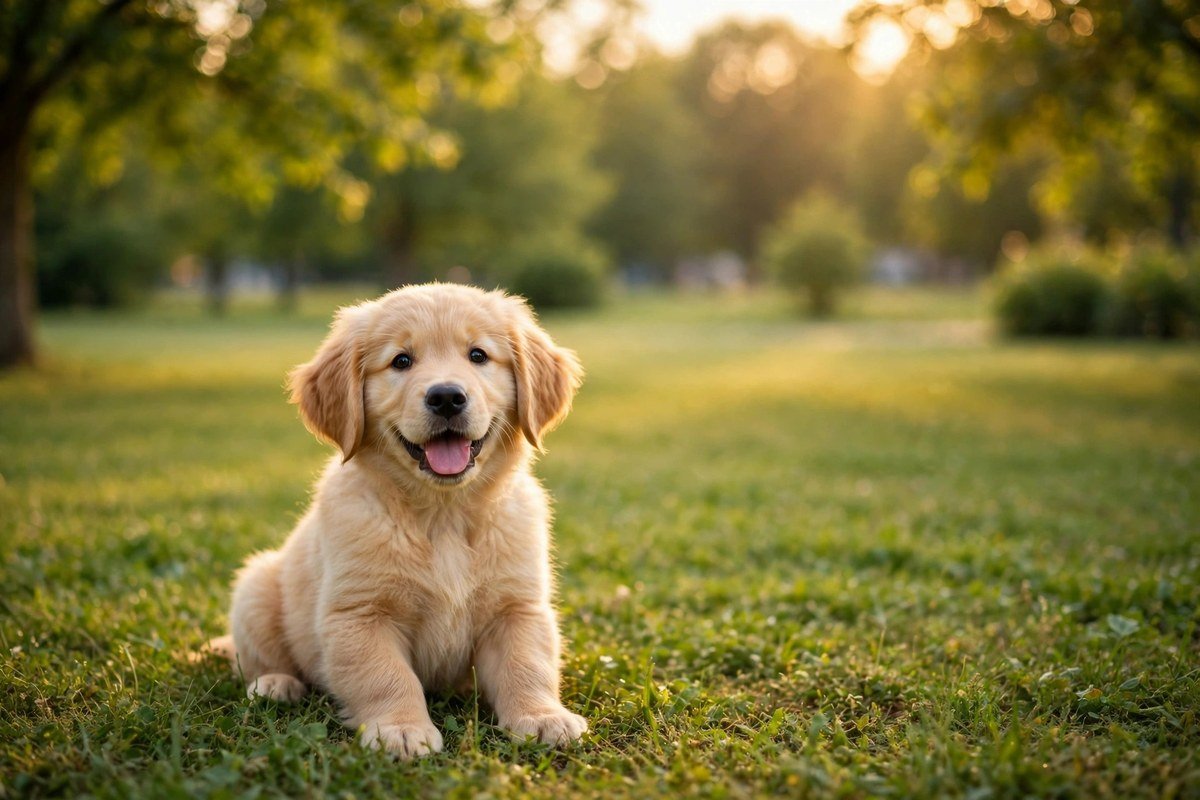
Quick answer: The best AI photo prompts for pet photography describe your pet’s breed, expression, setting, and light in one clear sentence, then add a style word like candid, studio, or golden hour. A prompt such as “a joyful golden retriever puppy sitting in a sunny park, soft evening light, shallow depth of field” gives the generator enough detail to create a portrait that feels real instead of random. Start with one pet, one mood, and one location, and refine from there.
Why AI Prompts Change Pet Photography
Anyone who has tried to photograph a restless puppy knows the problem. The moment the light turns perfect, the dog turns away. The cat blinks. The rabbit hops out of frame. Real pet photography is mostly patience, and even patient photographers miss the shot they imagined. AI photo prompts remove that waiting game. You describe the portrait you want, and the image appears in seconds, with the expression, the light, and the background exactly as you pictured them.
The trick is specificity. Vague prompts produce vague pictures. “A cute dog” could be anything, so the generator guesses, and the guess is usually ordinary. “A sleepy grey tabby cat curled on a cream woollen blanket beside a rainy window, warm lamp light, cosy and quiet” leaves almost nothing to guess. Every extra concrete detail narrows the result toward the picture in your head, and a shelter, a pet shop, or a pet owner can build a whole set of portraits without booking a studio.
How to Write a Pet Photo Prompt That Actually Works
A strong prompt has four parts, and you can build it in any order. First, name the animal precisely: not just “dog” but “a three-year-old border collie with a white chest patch”. Second, give the animal something to do or feel: sitting, mid-leap, yawning, watching snow fall. Third, place it somewhere real: a kitchen floor, a mountain trail, a beach at dawn. Fourth, name the light and the style: morning sun through a window, studio lighting on a plain background, film grain, or a painterly look.
Keep the sentence short enough to read aloud in one breath. Long prompts with five adjectives for every noun confuse the generator, and the picture comes out muddled. One adjective per thing is usually enough. If a result comes out wrong, change one part at a time instead of rewriting the whole prompt, so you learn which words actually move the picture. Try this working formula when you are stuck: animal plus age plus coat plus action plus place plus light plus style.
- Animal: breed, age, coat colour, and any marking that makes the pet recognisable.
- Action: a single verb or mood, such as running, yawning, listening, or hiding.
- Place: a real location with one or two visible details, like a red sofa or a snowy fence.
- Light: golden hour, window light, studio light, overcast sky, or candlelight.
- Style: photorealistic, candid, studio portrait, vintage film, or soft watercolour.
Dog Photo Prompts for Every Personality
Dogs are the easiest pets to photograph with AI because their expressions read so clearly. A raised ear, a tilted head, or a tongue out mid-run tells the whole story. The prompts below cover the moods people actually want: joyful, loyal, silly, and calm. Swap the breed and the setting to make each one yours, and keep the light warm for outdoor shots, since harsh midday sun flattens a dog’s coat and washes out the eyes.
- “A joyful golden retriever puppy sitting in a sunny park, tongue out, green grass and soft evening light, photorealistic pet portrait.”
- “A loyal German shepherd standing on a misty mountain trail at dawn, ears up, looking into the distance, cinematic and calm.”
- “A tiny dachshund wearing a red knitted sweater, sitting on a cream sofa by a fireplace, cosy winter light, candid home photograph.”
- “A muddy border collie mid-leap catching a frisbee on a beach, water droplets in the air, bright daylight, sharp action photograph.”
- “A sleepy old beagle curled on a plaid blanket, chin resting on paws, window light on a rainy afternoon, gentle and quiet.”
- “A white husky with blue eyes in fresh snow, snowflakes on its nose, soft overcast light, crisp winter pet portrait.”
- “A French bulldog in a sunflower field, head tilted, tongue out, golden hour glow, cheerful and bright.”
- “A black Labrador puppy peeking out of a cardboard box, one ear flopped over, living room floor, soft natural light, playful.”
Cat Photo Prompts With Attitude
Cats photograph best when the prompt respects their nature. They do not pose, they perch, they hide, and they stare. The most convincing AI cat portraits come from prompts that let the cat be a cat: a windowsill, a bookshelf, a sunbeam on the floor, or a cardboard box that is far too small. Keep the background simple so the eyes and the whiskers carry the picture.
- “A grey tabby cat curled on a cream woollen blanket beside a rainy window, warm lamp light, cosy and quiet, photorealistic.”
- “An orange cat stretching in a patch of morning sun on a wooden floor, long shadow, calm and warm, candid home photograph.”
- “A black cat with green eyes sitting on a stack of old books, moody library light, elegant and mysterious.”
- “A fluffy white Persian cat on a velvet armchair, soft window light, regal and still, classic studio portrait.”
- “A tiny kitten peeking out of a wicker basket with yarn balls around it, bright and playful, soft daylight.”
- “A Siamese cat perched on a balcony railing at dusk, city lights below, blue evening tones, cinematic pet portrait.”
- “A calico cat hiding inside a cardboard box with only its eyes and ears showing, funny and curious, living room light.”
- “A ginger cat yawning widely on a sunny windowsill, potted plants around it, lazy afternoon, warm and soft.”
Seasonal and Holiday Pet Portraits
Seasonal portraits are the most shared pet pictures of all, because they have a built-in reason to exist. A Christmas puppy, a Halloween cat, or a spring bunny gets saved, printed, and sent to relatives. The rule is restraint: one seasonal prop is charming, five props is clutter. A single pumpkin, one string of lights, or a light dusting of snow does more than a whole decorated room.
- “A puppy wearing a small Santa hat sitting beside a decorated Christmas tree, warm fairy lights, cosy evening, festive and sweet.”
- “A black cat sitting on a carved pumpkin on a doorstep, autumn leaves around it, dusk light, playful Halloween mood.”
- “A white rabbit in a field of spring daffodils, soft morning light, fresh and bright, gentle spring portrait.”
- “A dog with a birthday bandana and a small cake on the floor, colourful bunting behind it, cheerful and fun.”
- “A kitten in a basket of autumn leaves, golden and red tones, soft afternoon light, warm and calm.”
- “A dog in a light raincoat walking through puddles on a rainy street, reflections on the wet pavement, fresh and lively.”
Editing and Finishing Touches
A good prompt gets you most of the way, but a short edit finishes the picture. Start with the crop. Pet portraits usually look better a little tighter than the generator delivers, with the eyes near the top third of the frame and a little space in the direction the pet is looking. A square crop suits social media, while a wider crop suits a printed frame.
Next, check the light. If the coat looks flat, raise the warmth slightly and lift the shadows just enough to show the fur texture. Do not sharpen aggressively, because fur turns crunchy and fake at high sharpening. A small vignette, darkening the corners by a touch, pulls the eye toward the pet without anyone noticing why. Tools like Lightroom presets can apply this finish in one click, and the family picture prompts on this site use the same warm, natural finish.
Mistakes That Make Pet Photos Look Fake
The most common mistake is stacking too many ideas into one prompt. A dog in a spacesuit on a beach at sunset during a snowstorm might sound fun, but the generator has to choose which idea wins, and the result usually looks confused. One idea per picture keeps the image believable. If you want three ideas, make three pictures.
The second mistake is forgetting the background. A pet floating on a plain white void looks like a product cut-out, not a portrait. Even a simple background, like a garden fence or a sofa cushion, grounds the animal in a real place. The third mistake is copying prompts word for word from strangers and expecting the same result. Prompts are starting points, not recipes, so change the breed, the light, or the setting until the picture is yours.
Frequently Asked Questions
What is the best AI photo prompt for pet photography?
The best prompt names the breed, the action, the place, and the light in one short sentence, such as a golden retriever puppy in a sunny park at golden hour. Short, specific prompts give far more reliable results than long, vague ones.
Can AI prompts copy my own pet’s exact face?
Most generators can use your own pet photo as a reference, which keeps the markings and face shape close to the real animal. Without a reference photo, the result will be a believable pet of the same breed, not your pet.
Are AI pet portraits allowed on social media?
Yes, AI pet portraits are allowed on most platforms, and many creators label them as AI-made. A short note such as “made with AI” keeps things honest and avoids confusion with real photography.
How do I fix a pet photo with strange paws or eyes?
Regenerate the same prompt with a different seed first, since the flaw often disappears on the second try. If it stays, crop the area out or ask the tool to repaint just that part.
Which AI tools work best for pet photo prompts?
General image generators with a reference-photo option work best, because you can start from your own pet’s picture. Pair them with a photo editor for the final crop and colour finish.
Final Thoughts
Pet photography with AI prompts is less about the tool and more about looking closely at the animal in front of you. The breed, the habit, the favourite sleeping spot, and the expression that makes everyone in the house laugh are all details worth putting into words. Write the prompt like you are describing your pet to a friend, keep it short, and change one thing at a time until the picture matches the pet you know. The portraits that people keep are never the most complicated ones. They are the ones that look like the animal that waits by the door when you come home.




One Comment