AI Video Editing Prompts for Product Videos: Clean Shots, Honest Demos
Quick answer: A product video prompt should read like a shop assistant’s pitch: what the product is, the one problem it solves, and the single shot that proves it works. Lead with the benefit in the first five seconds, show the product being used in real hands, and close with a clear look at the price or the place to buy it. When the brief is honest about what the product does, shoppers trust the video — and trust is what turns a view into an order.
Selling the Product Without Shouting
Shoppers have learned to ignore loud sales talk, and a video that shouts will be skipped as fast as one that bores. The tone that works is calm confidence: show the product, show it working, and let the result speak. A prompt should ask for that restraint, naming the one benefit that matters most and keeping every shot in service of it.
Begin the brief with a plain sentence about who the product is for. “A lightweight kettle for people who live alone and want tea in three minutes” tells the editor who is watching and what they care about. From there, the cutting has a clear test: does this shot help that person decide? If it does not, it can be trimmed without a second thought.
The First Five Seconds: Hooking a Shopper
Online shoppers decide in about five seconds whether to keep watching, so the opening shot has to earn its place. The strongest openings show the result first: a clean floor after the vacuum, a glowing face after the cream, a watch face lighting up on a wrist. The problem comes second, the product third, and the explanation only after the viewer has decided to stay.
A brief that works well for a product hook sounds like this: “Open with a close shot of the smartwatch lighting up as the wearer checks the time mid-run, then show the problem — a phone that is hard to read while moving — and finish the first ten seconds with the watch tracking the run.” It works because it gives the editor a result, a problem and a product, in the order a shopper’s attention actually follows.
Showing Features in Action, Not in Lists
A list of features read aloud is the dullest thing a product video can do, and shoppers know it. What they want is to see the feature working: the waterproof watch under a tap, the folding chair opening with one hand, the blender crushing ice in seconds. Ask the prompt to turn each feature into a small scene, with the camera close enough that the result is unmistakable.
Keep the number of features small. Three well-shown features will sell a product; eight rushed ones will blur together and be forgotten. Name the three in the brief in order of importance, and ask the editor to give the most important one the longest shot and the clearest caption. A shopper who remembers one strong reason to buy is worth more than a shopper who half-remembers eight.
Unboxings, Demos and Before-and-After Shots
An unboxing works when it feels like opening the product yourself. That means slow, deliberate hands, the packaging coming away cleanly, and every piece laid out where the camera can see it. Tell the prompt to keep the hands in frame, to hold on each item for a beat after it appears, and to cut the fumbling — nobody needs to watch someone fight with tape for a minute.
Before-and-after shots are the most persuasive tool a product video has, and they need care to stay honest. The two shots should share the same light, the same angle and the same framing, so the only difference is the product itself. Ask the editor to hold the before shot for two seconds, cut cleanly to the after shot, and hold that for three, with no filter change between them. When the comparison is fair, the result speaks for itself. For longer explainers that walk a viewer through a product step by step, the tutorial video prompts on this site show how to pace a lesson without losing the viewer.
Lighting, Angles and the Clean Studio Look
A clean studio look is less about expensive equipment and more about consistency. One soft light from the side, a plain background, and the product always in sharp focus will make a phone-shot video look professional. The prompt should name that look — soft light, plain background, sharp focus — and ask the editor to cut any shot where the light changes suddenly or the product drifts out of focus.
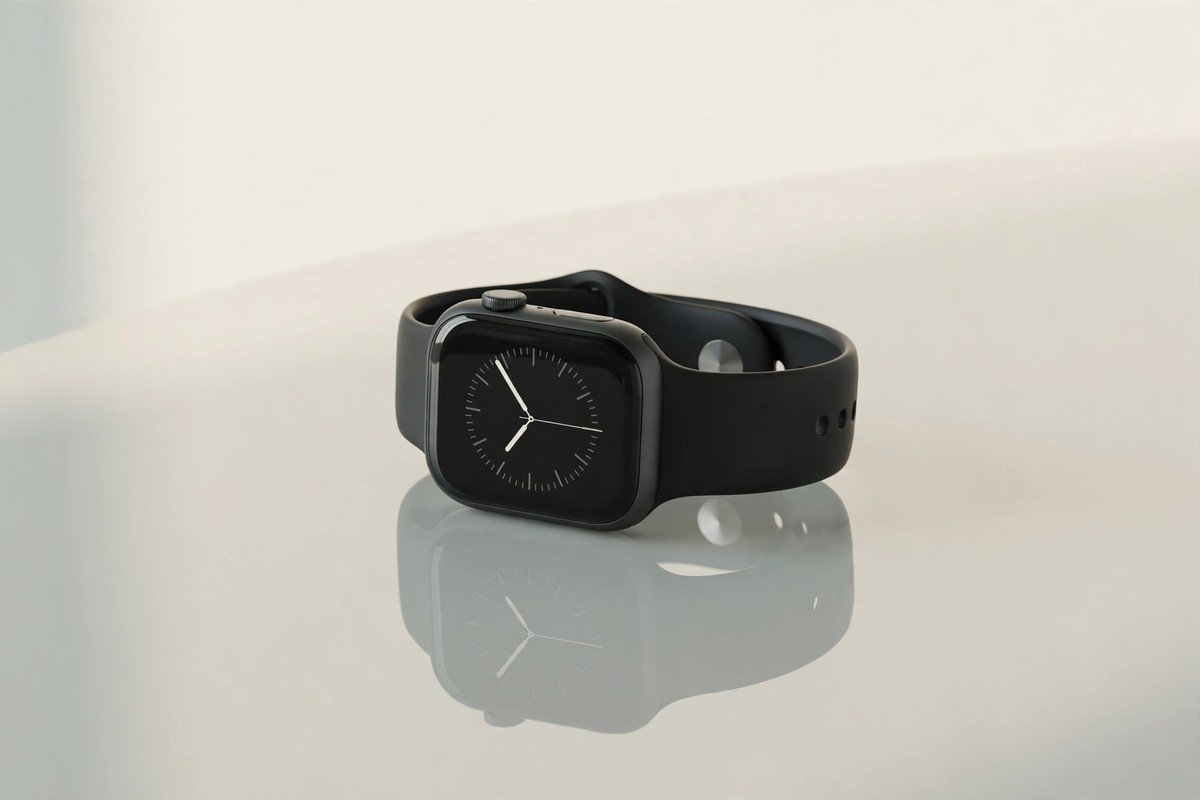
Angles should serve the product, not the camera operator. A watch wants a wrist-level shot that shows the face; a bottle wants a low angle that shows the label; a pair of shoes wants a shot from the side as they move. Name the two or three angles that matter in the brief, and ask for them to repeat across the video, so the shopper builds a clear picture of the product instead of a jumble of perspectives.
Short Ads and Longer Explainers
A fifteen-second ad and a two-minute explainer are different videos, and the prompt should treat them that way. The ad needs one benefit, one strong shot, and a closing frame with the price or the shop name — nothing else. The explainer can take its time: the problem, the product in use, the three features, and a real customer moment at the end.
When one shoot has to serve both, ask the editor to cut the long version first and then carve the ad out of its strongest fifteen seconds. That way the ad keeps the best hook and the best shot, instead of being a rushed summary of everything. The same footage, cut twice with different jobs in mind, will outperform a single video trying to do both at once.
Mistakes That Make Products Look Cheap
The fastest way to cheapen a product on screen is to rush its best shot. A watch that flashes past in half a second, a fabric never shown up close, a box opened off camera — each one tells the shopper the seller is hiding something. The fix is patience: hold the hero shot for three full seconds, let the camera linger on the texture, and show the product from the angle a buyer would actually hold it at.
Another common slip is promising more than the product delivers. A caption that claims a cream erases wrinkles in a day, or a blender that is shown crushing bricks, will win a click and lose a customer. Keep the claims in the brief modest and provable, and ask the editor to cut any shot that exaggerates what the product can do. Honest videos earn repeat buyers; exaggerated ones earn refunds and bad reviews.
- Rushing the hero shot: flashing the product past in half a second tells shoppers something is being hidden.
- Listing eight features: too many rushed claims blur together and leave the buyer remembering none of them.
- Changing the light mid-comparison: different light or angles between before and after shots make the result untrustworthy.
- Reading specs aloud: a voice reciting numbers while the product sits still will lose the viewer in seconds.
- Hiding the price: a video with no price or place to buy leaves an interested shopper with nowhere to go.
- Overclaiming the result: promises the product cannot keep win a click and lose the customer.
Real Customers and Honest Reviews on Camera
Nothing sells a product like a real person using it and liking it, in their own words. A short clip of a customer opening the box at home, trying the product for the first time, and reacting without a script will do more than any polished advert. The prompt should ask the editor to keep those reactions intact — the surprised laugh, the nod, the first honest sentence — and to resist cutting them into a montage of smiles.
Reviews work best when they are specific. “It charged my phone twice on one hike” means far more than “it is amazing,” and the edit should protect that specificity. Ask the brief to keep one concrete detail from each reviewer, to show the product in their hands while they speak, and to place the most believable review right before the closing frame. A shopper who hears a stranger describe exactly the problem they have will trust the video far more than any claim the seller makes alone.
Frequently Asked Questions
What should a product video prompt list first?
Who the product is for, the one problem it solves, and the single shot that proves it works. Those three facts shape the hook, the demo and the closing frame.
How long should a product video be?
Fifteen to thirty seconds suits a social ad, with one benefit and one strong shot. A full explainer can run one to two minutes if every feature is shown working, not just listed.
Can AI keep before-and-after shots honest?
Yes, if the brief asks for the same light, angle and framing in both shots, with no filter change between them. A fair comparison is what makes the result believable.
Should I mention the price in the prompt?
Yes — ask for a clear closing frame with the price or the place to buy it. A video that hides the price leaves an interested shopper with nowhere to go.
How many features should a product video show?
Three at most, each shown working in a small scene. Three well-shown features will sell a product; eight rushed ones will be forgotten.
Should I include customer reviews in a product video?
Yes — one short, specific review from a real customer, placed just before the closing frame, builds more trust than any claim the seller makes alone. Keep their exact words and show the product in their hands while they speak.
Final Thoughts
A product video earns its sale the same way a good shop assistant does: by showing the thing working, answering the real question, and never promising more than it can deliver. Write the brief that honestly, and the product will sell itself. Lead with the result, prove it with a real demo, and close with a price the shopper can act on — that is the whole job, and a brief that asks for it will do it well.