AI Photo Prompts for Wildlife Photography: Wild, Untamed Encounters
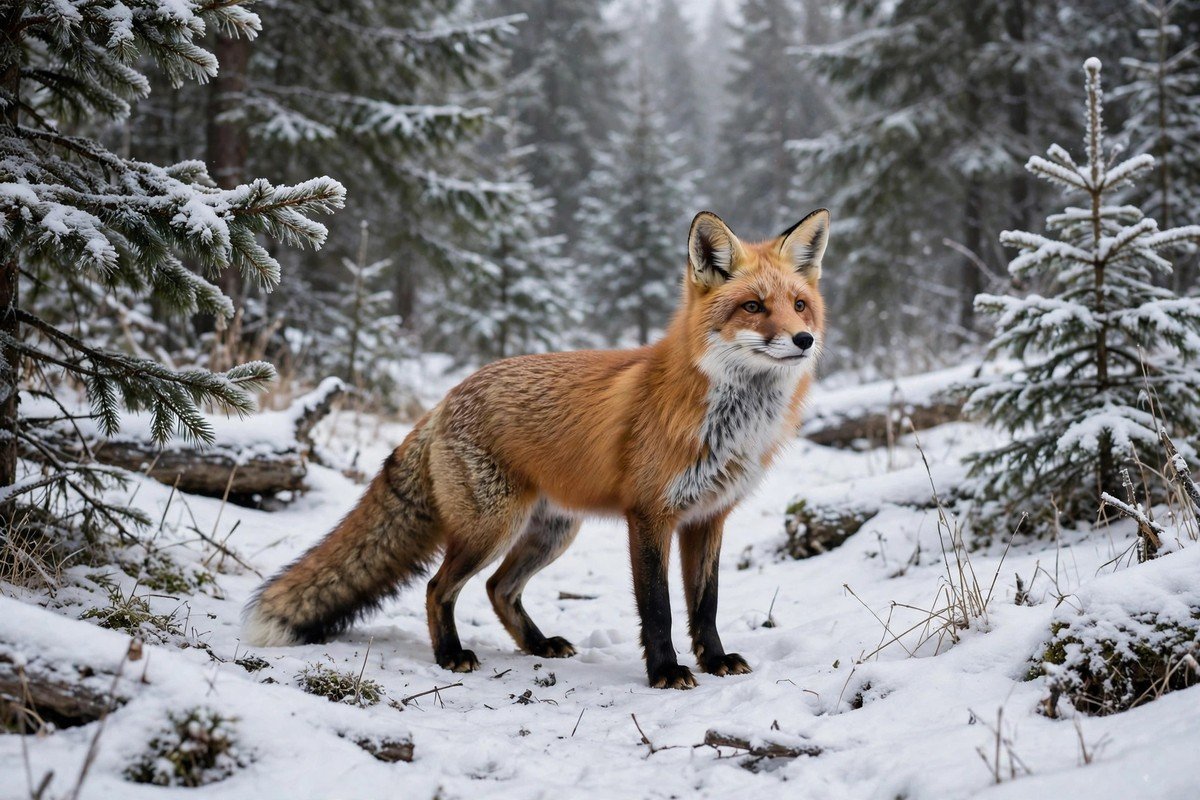
Quick answer: AI photo prompts for wildlife photography work best when they name one animal, its habitat, and one moment of behaviour. Try: “red fox standing alert in a snowy forest clearing, ears forward, breath visible in cold air, sharp focus, quiet winter light”. One animal, its real home, and a single behaviour give you a picture that feels wild and alive rather than staged.
Why a Wildlife Prompt Starts With the Animal’s Home
A wildlife picture only feels true when the animal belongs in the place around it, and that belonging has to be written into the prompt. A fox in a snowy forest, a lion on dry savanna grass, and a puffin on a sea cliff each live in a world of their own, and swapping their homes makes the picture feel wrong at a glance. Name the habitat first — the forest, the desert, the riverbank — and then place the animal inside it, so the ground, the plants, and the light all agree with each other.
The second thing a wildlife prompt needs is behaviour, because an animal standing still and staring at the camera is the least interesting picture you can make. Animals hunt, drink, groom, play, and watch for danger, and each of those actions tells a story about how the creature lives. A prompt that describes an action — a fox pouncing into snow, an elephant spraying water, an owl turning its head — gives the image maker a moment to freeze rather than a pose to arrange.
Prompts for Foxes, Deer and Forest Animals
Forest animals suit quiet, low light, because the trees filter the sun into patches and the undergrowth keeps everything close and intimate. A fox prompt should use that setting: “red fox standing alert in a snowy forest clearing, ears forward, breath visible in the cold air, pine trees blurred behind, sharp focus”. The snow, the pines, and the fox’s posture all belong to the same winter forest, and the picture feels coherent because nothing in it contradicts the rest.
Deer need a different mood, one of stillness and dawn light. A deer at the edge of a meadow in early morning mist is a classic wildlife image, and the prompt should keep it calm: “deer grazing at the edge of a misty meadow at dawn, antlers silhouetted against soft light, tall grass, quiet and gentle”. The mist softens the scene, the antlers give the animal its shape, and the early light makes the whole picture glow.
Prompts for Birds in Flight and at Rest
Birds in flight are the hardest wildlife subject, because the prompt has to suggest speed, height, and grace all at once. The wings matter most: describe them as spread wide, beating hard, or gliding on a thermal, and the generator will shape the bird around that motion. A prompt like “eagle soaring above a mountain valley, wings spread wide, wind lifting its feathers, cliffs far below, powerful and free” gives the bird a sky to own and a valley to measure it against. Without the valley below, the eagle has no scale, and the picture loses its drama.
Birds at rest are easier and often more beautiful, because the details of feathers and beaks can finally be seen. A kingfisher perched on a reed, an owl blinking in a hollow tree, or a flamingo standing on one leg in shallow water each offer a small, still portrait of a wild creature. Try a prompt like: “kingfisher perched on a reed above a still river, bright blue and orange feathers, sharp beak, water reflecting the reeds, calm and vivid”. The stillness lets the colours shine, and the reflection doubles the beauty of the bird.
Prompts for Big Cats, Elephants and Savanna Life
Savanna animals need space in the picture, because the grassland itself is part of their story. A lion or an elephant should never fill the whole frame; the wide golden grass, the flat-topped acacia tree, and the huge sky are what make the scene African. A prompt such as “lion resting in tall golden grass at sunset, acacia tree in the distance, warm light on its mane, vast savanna around, majestic and calm” gives the animal room to breathe. The space is the point, so let the horizon sit low and the sky take its share of the frame.
Elephants offer a different kind of savanna picture, one built on dust, weight, and family. A herd crossing a dry riverbed, a calf sheltering under its mother, or a bull spraying dust over its back each show a different side of elephant life. A prompt like “elephant herd crossing a dusty plain at golden hour, calf walking close to its mother, dust glowing in the light, distant hills, warm and tender” carries both the scale of the animals and the gentleness of the herd. Keep the group small — a mother and calf, or three elephants — because a whole herd will crowd the frame.
How to Describe Light, Season and Weather for Wild Animals
Light decides the mood of a wildlife picture more than any other single choice, because wild animals live outdoors and the sun is their only lamp. Dawn light is soft and golden, midday light is hard and flat, and dusk light is warm and low, and each suits a different animal. A snowy owl suits pale winter light, a tiger suits the deep gold of late afternoon, and a frog suits the green shade of a rainforest floor. Name the light in your prompt, and the animal will sit in a world that makes sense.
Season and weather are the other half of a believable wildlife scene, and they must match the animal you chose. Snow belongs with foxes, wolves, and polar bears; monsoon rain belongs with elephants and frogs; dry heat belongs with lions and meerkats. A prompt such as “polar bear walking across sea ice in pale Arctic light, snow drifting, endless white horizon, cold and vast” is believable because every detail belongs to the same frozen world.
Prompts for Underwater Wildlife
Underwater wildlife needs a different kind of description, because the water itself is the setting and the light behaves strangely below the surface. Sunbeams slanting through blue water, particles drifting like dust, and the deep blue fading to dark all tell the viewer this picture was taken beneath the waves. A prompt like “sea turtle gliding through clear blue water, sunbeams slanting down, coral reef below, small fish scattered around, peaceful and graceful” gives the turtle a world to swim in.
A Short Checklist Before You Generate a Wildlife Picture
Give your wildlife prompt one last look before generating: does it name the animal, its real home, and one thing the animal is doing? Patch any gap in a few words. A prompt with a single animal, a truthful habitat, and one clear behaviour will almost always beat a longer one that piles up animals and places.
- One animal only: a fox, an eagle, or an elephant — never a crowd of species.
- One true habitat: snowy forest, dry savanna, or coral reef, matched to the animal.
- One clear behaviour: hunting, drinking, soaring, or resting, described plainly.
- One light and season: dawn mist, golden hour, or pale winter light.
- One mood word: wild, calm, majestic, or mysterious, to set the feeling.
Wildlife Prompt Mistakes That Make Animals Look Tame
The most common mistake in wildlife prompts is placing an animal in a setting where it could never live, such as a penguin in a desert or a tiger on a beach. The generator will usually comply, and the result will look like a toy rather than a wild creature. Check the habitat against the animal before you write the prompt, and keep the plants, the ground, and the weather true to the place the animal actually comes from. A believable home is what makes a wild animal look wild.
Another frequent slip is asking for too many animals at once, which turns a wildlife picture into a crowded zoo scene. A herd, a flock, and a pack in the same frame will tangle into a mess, and no single animal will hold the viewer’s attention. Pick one animal, or one small family group, and let it own the picture. A final mistake is describing the animal like a pet — cute, cuddly, and smiling at the camera — when wild animals are at their most beautiful looking alert, focused, or unaware of being watched.
Frequently Asked Questions
What is the best AI photo prompt for wildlife photography?
Name one animal, its true habitat, and one behaviour, such as “red fox standing alert in a snowy forest clearing, ears forward, breath visible in cold air, sharp focus”. Animal, habitat, and behaviour together make the picture feel wild and real.
How do I make AI wildlife photos look realistic?
Match the animal to its real habitat and season, and describe one natural behaviour instead of a pose. A fox in snow or a lion on dry grass will look far more believable than an animal placed in a random setting.
Should wildlife prompts include people?
Usually not, because a person in the frame makes the animal feel tame or kept. If you must include one, keep them far away and small, such as a ranger watching from a distance, so the animal stays the centre of the picture.
What light works best for wildlife photo prompts?
Dawn and golden hour give the warmest, most flattering light for most animals, while pale winter light suits snow creatures. Avoid flat midday light, which washes out fur and feathers and flattens the scene.
Can I use AI photo prompts for rare or endangered animals?
Yes, you can describe rare animals such as snow leopards or sea turtles in their true habitats. The result will be an artistic image rather than a documentary photograph, so treat it as an illustration of the animal, not a record of a real sighting.
Final Thoughts
Wildlife photography is really about the brief moment when a wild animal lets you see its world, and a good prompt chases that moment by naming one animal, its true home, and one honest behaviour. Keep your habitats truthful and your light natural, and your AI wildlife pictures will carry the same quiet thrill that makes people watch a forest clearing for hours. Try one prompt tonight for an animal you love, then try the same animal at dawn tomorrow, and watch how a few changed words turn a picture into a glimpse of the wild.